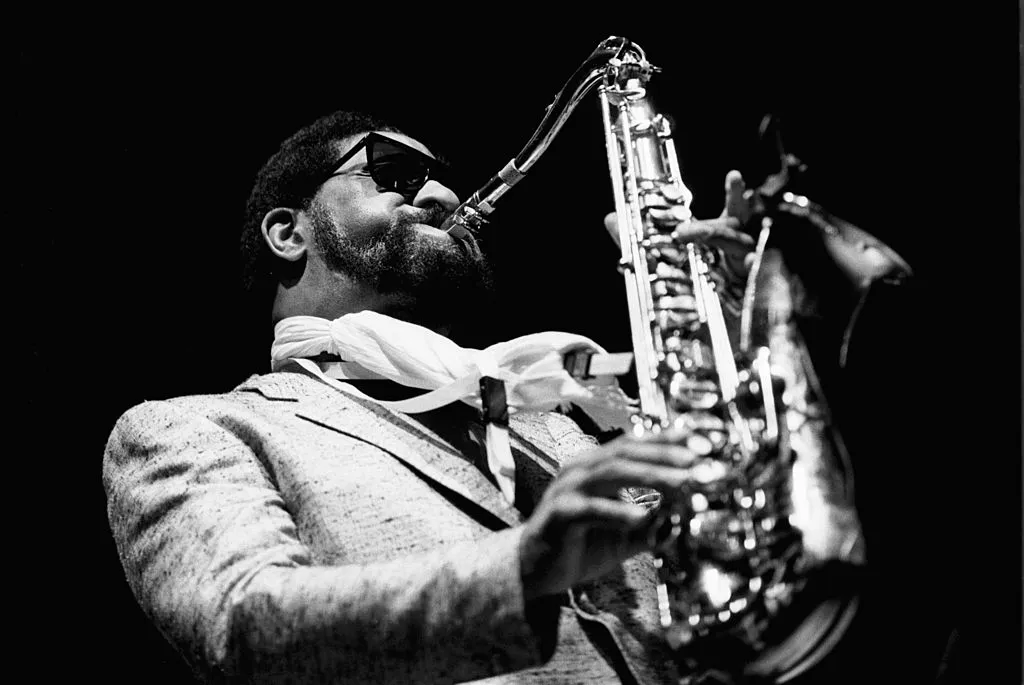
Sonny Rollins, Jazz Saxophone Colossus, Dies at 95 — Legendary Improviser Who Worked With Miles Davis, Thelonious Monk and the Rolling Stones Leaves Behind a Revolutionary Musical Legacy
Sonny Rollins, one of the most influential figures in jazz history and widely celebrated as the “Saxophone Colossus,” has died at the age of 95. The pioneering tenor saxophonist, whose fearless improvisation and groundbreaking approach to jazz reshaped modern music, passed away on Monday at his home in Woodstock, New York. His publicist, Terri Hinte, confirmed the news. A cause of death has not been disclosed.
Rollins’ passing marks the end of an era in jazz, closing the chapter on a career that spanned decades and bridged generations of musical innovation. Known for his towering tone, imaginative solos, and deep spiritual connection to music, he remained a defining voice in jazz improvisation throughout the 20th and early 21st centuries.
Born and raised in Harlem, New York, Sonny Rollins was immersed in music from an early age. He initially began playing piano before switching to saxophone after receiving his first instrument from his mother at just seven years old. He later described that moment as life-changing, recalling how he would spend hours alone practicing, fully absorbed in the sound and possibilities of music.
During his high school years, Rollins developed his craft alongside fellow Harlem musicians such as Jackie McLean and drummer Art Taylor. After graduating, he quickly entered the professional jazz world, performing with some of the most important bebop leaders of the era, including trumpeter Fats Navarro and pianist Bud Powell. One of his earliest recorded appearances came in 1949 on The Amazing Bud Powell, a landmark recording that helped define the emerging hard bop movement.
Rollins’ career briefly paused during a difficult period in the early 1950s, including a prison sentence for armed robbery and struggles with heroin addiction. However, he ultimately overcame these challenges and returned to music with renewed creative force. Even during this turbulent period, he participated in historic recording sessions, including Miles Davis’ 1951 project Dig, which showcased his emerging brilliance as a soloist.
His collaborations with Miles Davis would continue to shape the direction of modern jazz. He contributed to influential recordings such as Collectors’ Items and Bags’ Groove, the latter featuring Rollins’ composition “Oleo,” which would become one of the most widely performed jazz standards of all time. “Oleo” was later interpreted by jazz giants including John Coltrane, Eric Dolphy, and Miles Davis himself, solidifying Rollins’ reputation as both an extraordinary performer and composer.
By the mid-1950s, Rollins had established himself as a leading voice in jazz, pioneering a bold, improvisation-driven style that emphasized melodic invention and rhythmic freedom. His 1956 album Saxophone Colossus is still regarded as one of the greatest jazz recordings ever made, featuring iconic tracks such as “St. Thomas” and “Blue 7,” which demonstrated his ability to transform simple motifs into expansive musical journeys.
Beyond jazz, Rollins also crossed into popular music collaborations, including work with The Rolling Stones. One of his most notable contributions outside the jazz world was his saxophone solo on the band’s song “Waiting on a Friend,” highlighting his versatility and influence across genres.
Throughout his life, Rollins remained deeply philosophical about music and existence. In a 2009 reflection, he described his belief in creativity as something spiritual and continuous, suggesting that artistic expression extends beyond physical life. His approach to improvisation mirrored this philosophy—spontaneous, exploratory, and deeply personal.
Even in later years, Rollins continued to be celebrated as one of the greatest improvisers in the history of jazz. His influence can be heard in generations of saxophonists who followed, many of whom cite his tone, phrasing, and fearless experimentation as foundational to their own development.
Rollins’ death at 95 closes one of the most remarkable careers in American music history, but his recordings and innovations remain central to jazz education and performance worldwide. His work continues to define what it means to improvise freely while staying rooted in tradition.
Sonny Rollins’ Legacy in Jazz History
Few musicians have reshaped jazz as profoundly as Rollins. His ability to build entire musical worlds from a single phrase helped expand the language of improvisation. Whether performing as a soloist or bandleader, he consistently pushed boundaries while maintaining a deep respect for the jazz tradition.
His collaborations with figures such as Miles Davis, Thelonious Monk, and other jazz pioneers positioned him at the center of one of the most transformative periods in American music. His influence extended beyond recordings into live performance, where his legendary “bridge period” practice sessions on the Williamsburg Bridge became part of jazz folklore.
A Life Defined by Creativity and Reinvention
Despite personal struggles earlier in life, Rollins continually reinvented himself through music. His long periods of self-imposed retreat from public performance were often spent practicing intensely, reflecting a commitment to artistic growth over commercial success.
This dedication helped him maintain a unique voice across decades of changing musical trends. Even as jazz evolved, Rollins remained unmistakably original.
FAQ
Who was Sonny Rollins?
Sonny Rollins was a legendary American jazz tenor saxophonist known for his improvisational brilliance and influential recordings, including Saxophone Colossus.
How old was Sonny Rollins when he died?
He died at the age of 95.
What are Sonny Rollins’ most famous songs?
Some of his most famous works include “St. Thomas,” “Blue 7,” and “Oleo.”
Did Sonny Rollins work with other famous musicians?
Yes, he collaborated with Miles Davis, The Rolling Stones, and was associated with jazz legends like Thelonious Monk and Bud Powell.
Why is Sonny Rollins important in jazz history?
He is considered one of the greatest improvisers in jazz history, credited with redefining the role of the saxophone in modern jazz and influencing generations of musicians worldwide.